

The government narrowly secured its first uncertain parliamentary victory after a period of political chaos triggered by disputes over the pairing (set-off) system in parliament.
The vote concerned a new, simplified process for approving nuclear power plants, and ended 175–173 in favor of the government. The outcome was highly uncertain beforehand, as both the government’s Tidö parties and the opposition (S, C, V, and MP) imposed strict attendance requirements on their MPs to avoid losing by accident.
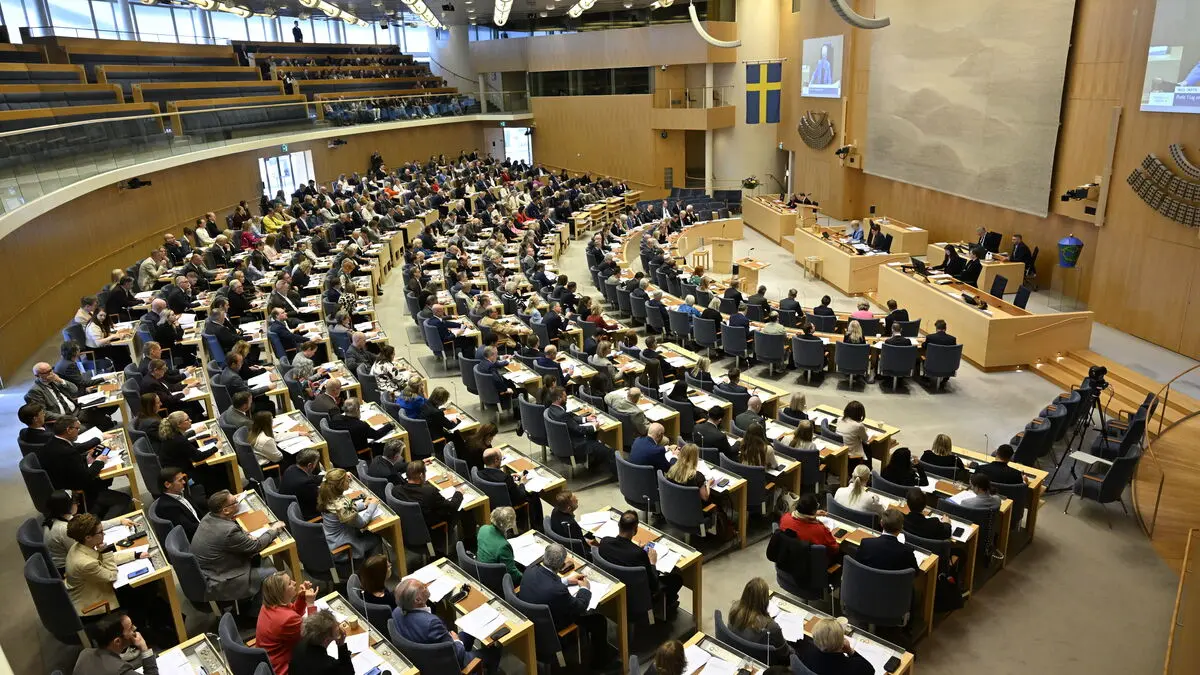
The situation was further intensified because even a single absence could have flipped the result. The opposition had even recalled a recently ill MP with serious health issues to ensure their side was fully represented. In the end, only one MP was absent — a Moderate — which allowed the government’s proposal to pass.
The controversy stems from the breakdown of the traditional pairing system, where parties normally compensate for absent members on the opposing side to maintain fair voting balance. The opposition abandoned the system after earlier disputes, when the Sweden Democrats allowed paired members to vote in a key citizenship vote, breaking long-standing convention.
SD leader Jimmie Åkesson defended the party’s actions after the vote, saying the situation shows why a functioning pairing system is necessary. He insisted the party had no regrets, arguing instead that changes are needed because a small number of MPs can gain outsized influence in tightly contested votes.
The approved proposal means that companies seeking to build nuclear facilities will now be able to apply directly to the government for approval, marking a significant shift in Sweden’s energy policy process.