
The Moderates are heading into the election with a bold promise: Swedish families could receive 5,000 kronor more every month during the next term. Prime Minister and Moderate Party leader Ulf Kristersson says the goal is to make everyday life “really good” for ordinary families and place household finances at the center of the party’s campaign.
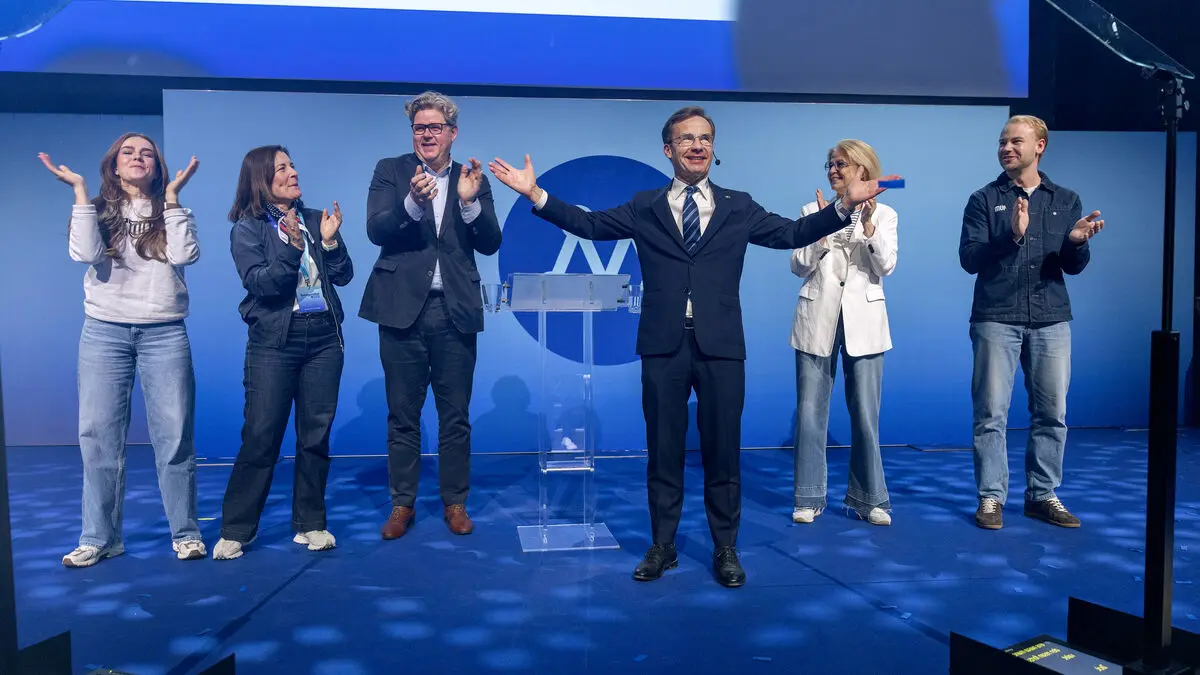
Speaking at the party’s Sweden conference in Stockholm, Kristersson presented the pledge as the next major mission for a possible Moderate-led government. While the exact details remain unclear, the party points to continued tax cuts — including a larger earned income tax credit — as one possible path toward delivering the extra money.
The Moderates argue they have already strengthened family finances during the current term. According to the party, a household with two working parents and two children now has around 5,000 kronor more to live on compared with 2022. Nearly half of that increase is linked to tax reductions, while the rest comes from measures such as lower fuel taxes, reduced food VAT, electricity support, and cheaper preschool fees.
Questions remain, however, about how the new promise would be financed. Economists believe the next government will have very limited room for major reforms, meaning future election promises may need to be paid for through spending cuts elsewhere. The Moderates have suggested that further reductions in foreign aid could be one option.
Kristersson also laid out a broader long-term vision for Sweden. Within ten years, he wants the country to have the highest GDP per capita in the EU and for two ordinary full-time salaries to be enough to buy a home. The vision includes building more detached houses and encouraging municipalities to prepare more land for construction.
Describing what many Swedes dream of, Kristersson spoke about “a Volvo, a dog and maybe two children” — presenting stable family life and home ownership as symbols of economic security.
The Moderate leader says the government’s previous priorities have focused on crime, migration, and defense, but argues that the next phase should center on boosting growth and improving household finances.

At the same time, he stressed the party’s commitment to the so-called “work line,” insisting that economic improvement should primarily come through employment rather than higher welfare benefits. Kristersson pointed to labor shortages in northern Sweden and argued that more people should move there for work opportunities.
If the current Tidö coalition — now increasingly branded as the “blue-yellow” team — wins another election, the Sweden Democrats are expected to gain greater influence and potentially share ministerial posts alongside the governing parties.