

The German artist and sculptor Georg Baselitz has died at the age of 88, according to reports from Le Monde, bringing to a close the life of one of post-war Germany’s most influential and provocative artistic figures.
Born Hans-Georg Kern in 1938 in Deutschbaselitz, Saxony, he later adopted the name Baselitz after his hometown. He initially studied art in East Berlin, but his education was cut short after he clashed with the socialist cultural expectations of East Germany. In 1957, he left for West Berlin, where he continued his studies and held his first solo exhibition in 1963. That early show also brought controversy, as two of his works were seized for alleged sexual symbolism, leading to legal proceedings that were eventually dropped.
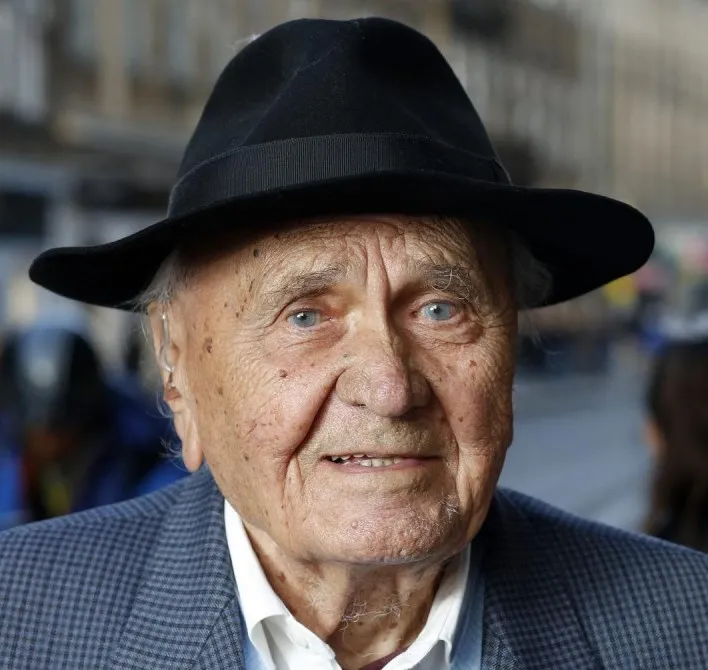
Baselitz became widely known for his bold, unconventional style, particularly his habit of painting large-scale works upside down—a technique that became one of his defining trademarks. His art often engaged deeply with Germany’s post-war identity and historical trauma. He once described his paintings as “battles,” reflecting what he saw as a shared psychological burden among German artists confronting the country’s past.
His international recognition grew significantly in the 1980s, when he became a leading figure for a new generation of German painters. In 2004, he received the prestigious Praemium Imperiale, often regarded as one of the highest honors in the art world.

Throughout his career, Baselitz was also known for outspoken and controversial opinions, including remarks about gender and artistic ability that sparked criticism and public debate. His statements even led to protest exhibitions, such as one held in Stockholm in response to his comments during a 2016 museum show.
In his later years, he lived in Salzburg, Austria, with his wife, remaining creatively active well into old age.